Roulette, a centuries-old casino game, is entirely based on chance. It consists of a small ball and a spinning wheel with numbered slots. Players place bets on where they believe the ball will land, and those who guess correctly win. While the fundamentals of the game are simple to understand, there are a lot of betting options & strategies available to increase one's chances of winning. Given that roulette is rooted in luck and probability, determining the exact landing spot is impossible. Yet, grasping the game's fundamentals allows for more informed decision-making during betting.
Essential Takeaways
- Grasping the fundamentals of roulette is key to mastering an effective system.Awakening your inner gambler and grasping gambling psychology can enhance your roulette skills.Exploring different roulette systems can help you find the one that works best for you.To master the Martingale system and maximize wins, a step-by-step guide is essential.Effective bankroll management is key to managing risk and uncertainty, maximizing roulette wins.
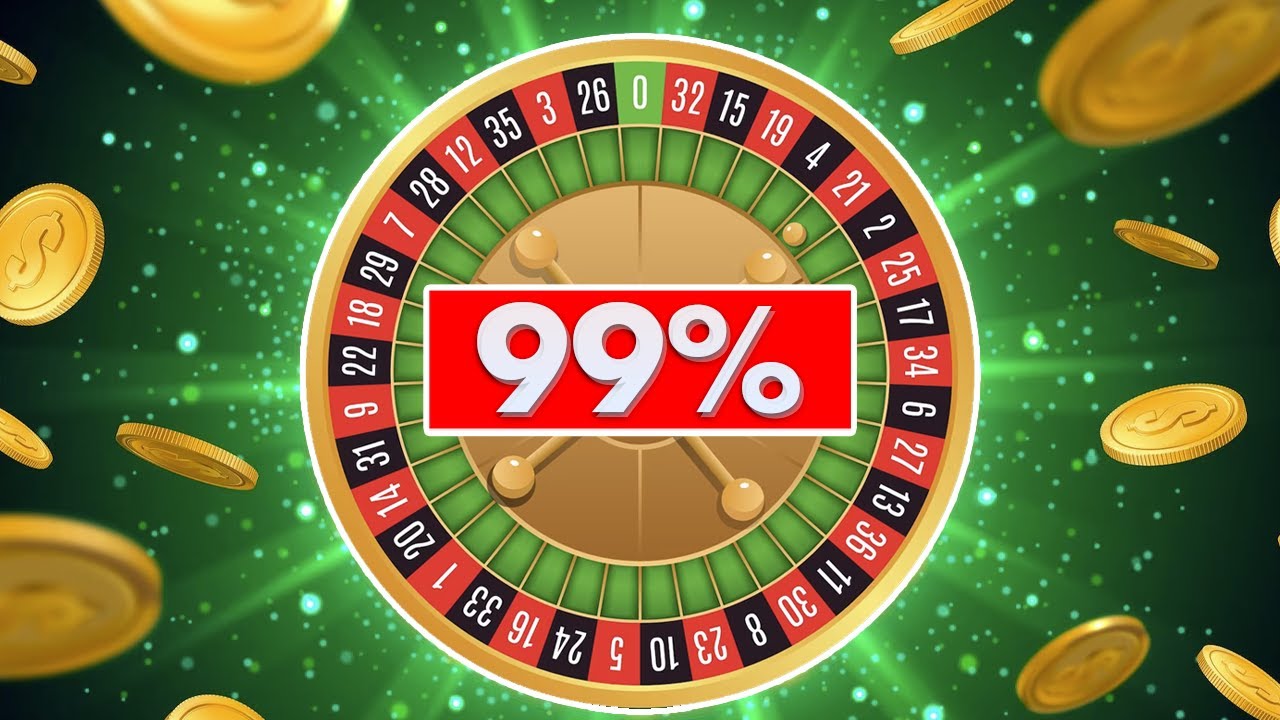
There are two main types of roulette wheels: European and American. In contrast to the American wheel, which has 38 slots total—including an extra 00 slot—the European wheel has 37 numbered slots, numbered 0 through 36. The European wheel is preferable for serious bettors due to its slightly better odds of winning. Impulsivity and Taking Risks.
The concept of risk-taking plays a major role in gambling behavior. The thrill of taking risks and the potential for big payouts draw many to gambling. This can lead to impulsive decision-making and irrational behavior, which can be detrimental when playing roulette.
The Psychology of Loss Aversion. The idea of loss aversion is another significant psychological component of gambling. People tend to prefer avoiding losses rather than seeking gains. Because of this, when playing roulette, players may place cautious bets in an effort to prevent losing, even at the expense of missing out on possible wins. Gaining Control Over Your Attitude.
You can acquire a better understanding of your own gambling-related motivations and behaviors by comprehending these psychological aspects. Such awareness can help you take a more strategic approach to roulette, enabling wiser decisions and avoiding common mistakes. Various roulette systems and strategies can help players improve their winning odds. While some of these systems are predicated on mathematical ideas, others are based more on instinct and gut instinct. The Martingale method, a favored roulette strategy, involves doubling your bet after every loss until you achieve a win.
Even though this strategy has a lot of potential for success, it is very risky and demands a sizable bankroll. The Fibonacci system, another favored roulette approach, is derived from the Fibonacci number sequence. This system is considered less risky than the Martingale, as it follows a predetermined sequence for placing bets. Other popular systems include the D'Alembert, Paroli, and Labouchere roulette strategies. It’s important to fully grasp how these systems function before using them in a live gambling environment.
Each of these systems has its own distinct set of guidelines and tactics. One of the most popular and extensively used roulette strategies is the Martingale system, which is predicated on the idea of doubling your bet following each loss until you win. Despite the high risk and substantial bankroll needed, this strategy may prove effective in theory. It is crucial to adhere to a rigid set of guidelines & have a thorough understanding of how the Martingale system operates in order to use it successfully.
To use the Martingale system, start by placing a small bet on an even-money bet, such as red or black. If you win, maintain https://roulette-strategy.best the same bet amount. If you lose, double your bet for the next spin. When you win, revert to your original bet size.
If you lose, keep doubling your bet until you win. It is essential to set a limit on how many times you will double your bet, as this will help avoid significant losses. Although there isn't a 100% guaranteed method for winning at roulette, there are a number of suggestions and techniques that can raise your chances of success.
One key piece of advice is to stick with even-money bets, such as red or black, odd or even, or high or low numbers. These bets, which offer the best winning odds, can help minimize your losses over time. A critical strategy for maximizing roulette profits is setting and sticking to a strict budget.
It’s important to set financial boundaries before playing to avoid getting carried away by the excitement of gambling and overspending. Taking breaks during a roulette session can help clear your mind and refocus your energy. This practice can lead to more calculated bets and fewer impulsive decisions.
Budget Wisely. Bankroll management is vital for success in gambling, especially in roulette. It involves setting a budget for how much money you are willing to spend on gambling and sticking to it. The first rule is to never wager more than you can afford to lose. Establish definite boundaries.
A key rule in bankroll management is to never wager more than you can afford to lose. This not only prevents gambling from becoming stressful but also avoids financial trouble. **Establish Explicit Boundaries.** By defining clear limits for each spin, you avoid overspending and keep track of your wins and losses. **Track Your Wins and Losses.** To ensure you know exactly how much money you have won and spent when playing roulette, it can also be useful to keep track of your wins & losses. Let me know if you need any additional help! For many, roulette is thrilling due to its inherent risk and unpredictability. While taking risks and winning big can be thrilling, it's important to approach gambling with a clear understanding of its potential consequences.
Even though risk and uncertainty can be exhilarating, it's vital to play roulette responsibly. Approaching the game with an excitement & sense of adventure is one way to embrace risk & uncertainty in roulette. Try to enjoy the thrill of taking chances & the gaming experience rather than concentrating only on winning money. Viewing gambling as entertainment rather than a source of income can also be beneficial. This mindset shift can help you focus more on enjoying the game rather than solely aiming to win. To become skilled in a roulette system, you need to learn the basics, develop your psychological gambler, experiment with various systems, master specific strategies like the Martingale, apply winning tips, manage your bankroll wisely, and embrace risk and uncertainty.
You can improve your chances of winning & still experience the excitement of this time-honored casino game by adhering to these rules & going into roulette with a clear knowledge of its benefits & risks.
FAQs

Understanding a Roulette System
Roulette systems are strategies or methods that players employ to try to gain an edge over the casino in roulette. These systems often involve placing bets in a specific pattern or sequence in order to increase the chances of winning.
Can Roulette Systems Guarantee Wins?
No, roulette systems do not guarantee winnings. The outcome of each spin in roulette is completely random, and no system can change that. Although a roulette system might help manage bets and improve short-term winning odds, it doesn't guarantee long-term success.
Are there different types of roulette systems?
Yes, there are different types of roulette systems, such as progressive betting systems, non-progressive systems, and combination systems. Every system type features its own specific rules and strategies for placing bets.
Can I Legally Use a Roulette System in a Casino?
Yes, it is legal to use a roulette system in a casino. That said, casinos may impose their own rules about betting patterns and strategies, so it's wise to familiarize yourself with the casino's policies.
Do Roulette Systems Help in Minimizing Losses?
Some roulette systems are designed to help minimize losses by managing bets and bankroll more effectively. However, it's important to remember that roulette is a game of chance, and no system can completely eliminate the risk of losing money.