Roulette is a chance-based casino game that has entertained players for centuries. The game features a small ball and a spinning wheel with numbered slots. Predicting with accuracy where the ball will land on the wheel is the aim of the game. There are two primary types of roulette wheels: the American wheel with 38 slots (including 0 and 00) and the European wheel with 37 slots (with only a single 0).
Key Takeaways
- Understanding the basics of roulette is crucial for beginners to comprehend the game's rules and mechanics.Developing a winning strategy for roulette involves understanding the odds and making calculated bets.Managing your bankroll is crucial to controlling losses and maximizing winnings in roulette.Using tips and tricks can boost your odds at the roulette table and improve your chances of winning.Exploring different betting systems in roulette can provide insight into various strategies and approaches to the game.
To play roulette, players need to choose specific numbers, groups of numbers, or colors to bet on. The dealer spins the wheel after every wager has been made and then releases the ball onto it. The ball's final position on the wheel decides the winning number. Winning players are paid out based on the odds of their bets.
It's critical for new players to comprehend the various kinds of wagers that can be made in roulette. Inside bets focus on specific numbers or small groups, while outside bets cover larger groups or colors. Understanding the odds and payouts of each bet type is essential before playing. Roulette is entirely based on chance, making it impossible to predict where the ball will land. To increase their chances of winning, players can use strategies.
The Martingale System. A popular approach is the Martingale system, where you double your bet after every loss. The idea is that eventually, you will recover all losses and make a profit. Though there is no assurance that you will recover your losses, this strategy can be risky as it calls for a sizable bankroll.
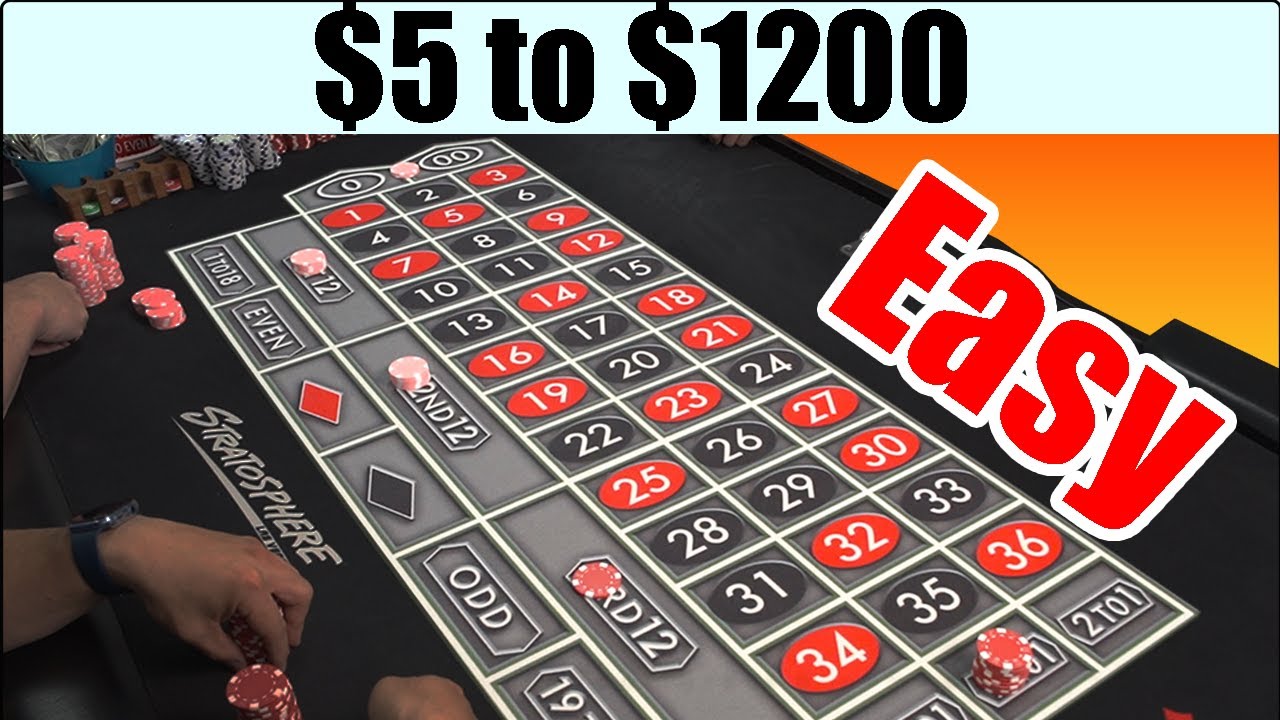
Different Approaches. The D'Alembert system is an additional tactic available to players. This approach involves increasing your bet by one unit after a loss and decreasing it by one after a win. Though this method is thought to be less hazardous than the Martingale system, there is still no guarantee of success and careful bankroll management are necessary.
The Fibonacci system is another strategy that uses the Fibonacci sequence for betting. This method can be used to calculate how much to bet on each spin of the wheel because it is predicated on the notion that every number in the sequence is equal to the sum of the two numbers that came before it. Managing Expectations and Risk.
Ultimately, roulette is a game of chance with no guaranteed way to win. But you can improve your chances of leaving the roulette table ahead of the game by utilizing these techniques and prudently managing your bankroll. When playing roulette, bankroll management is essential because it can prevent you from losing more money than you can afford. Establishing and adhering to a spending limit is crucial when it comes to roulette. This entails bringing a set amount of money to the casino & resisting the urge to spend more, even if you want to keep playing.
The 5 percent rule, which suggests only wagering 5 percent of your entire bankroll on each wheel spin, is a well-liked bankroll management technique. As a result, you can play for longer stretches of time without taking on excessive risk, and you can prevent losing all of your money in a short stretch of time. Being able to tell when to leave the table is another crucial component of bankroll management.
When you find yourself losing a lot of games, it's critical to know when to give up & try again later. Before you begin playing, it's crucial to establish your own win and loss thresholds so you can gauge when to quit if you are ahead or behind. By managing your bankroll and setting personal limits, you can enjoy roulette without risking more than you can afford to lose. Although winning at roulette is never assured, players can increase their chances of winning by using a few strategies.

These wagers have better chances of winning even though they pay out less than inside bets. This strategy helps extend your playtime and avoids large, quick losses. It's also important to be mindful of the table's minimum and maximum bets when playing roulette. Choosing a table that matches your budget is key, as some tables have higher minimum bets than others. Knowing the table's maximum bet is also essential, as it affects how much you can stake per spin.
Lastly, keep in mind that roulette is a game of chance and that there is no surefire way to win. It's critical to play roulette for enjoyment rather than as a means of generating income. You can http://keegangneo824.image-perth.org/the-basics-of-roulette-tactics-effective-approaches-to-winning-big play roulette with greater odds & have fun without taking on more risk than you can afford to lose by using these strategies. When playing roulette, players can choose from a wide variety of betting strategies, each with pros and cons of their own.

The Martingale method is a well-liked betting strategy that entails doubling your wager following each loss. This system is based on the theory that you will ultimately recover all of your losses and turn a profit. This method can be dangerous, though, as it calls for a sizable bankroll & there's no assurance that you'll make up your losses. Another common strategy is the D’Alembert system, where you increase your bet by one unit after a loss and decrease it by one after a win. While less risky than the Martingale, this strategy still requires careful bankroll management and doesn’t guarantee success. The Fibonacci system, which bases bets on the Fibonacci sequence, is another approach some players use.
The foundation of this system is the notion that every number in the sequence is equal to the sum of the two numbers that came before it. This allows one to calculate the amount to bet on each wheel spin. Due to the fact that roulette is a game of chance, there is ultimately no surefire way to win. However, by applying these strategies and managing your bankroll wisely, you can increase your chances of leaving the table with a profit. Maintaining Focus.
Focus and avoiding distractions are critical to improving your odds of winning. This means watching the wheel and ball carefully, making informed bets based on odds. Managing Emotions. While it's easy to get swept up in the thrill of the game, players need to maintain their composure in order to think clearly & make wise decisions. Keeping a cool head is essential, as emotional betting often leads to losses.
Reasonable Aspirations. It’s important to set realistic expectations when playing roulette. While big wins are possible, remember that roulette is all about chance with no guaranteed outcomes. Maintaining a positive attitude, staying focused, and controlling emotions are ways to boost your chances of success.
To increase their chances of winning when playing roulette at the casino, players should steer clear of a few common mistakes. A common mistake is increasing your bets after a losing streak, trying to recover losses. This can quickly deplete your bankroll and lead to even bigger losses. Another common error is to start playing without first establishing your own win and loss limits.
To avoid getting caught up in the moment & making snap decisions, it's critical to know exactly how much you are willing to lose or win before you ever play. It’s important for players to avoid relying on lucky charms or superstitions while playing roulette. When you play a game of chance, it's normal to want to think that luck will come your way, but keep in mind that roulette is all about odds & probabilities. Avoiding excessive alcohol is essential when playing roulette, as it impairs judgment.
Bigger losses at the table may arise from alcohol's tendency to cloud judgment and cause impulsive decision-making. Players can improve their odds of leaving the roulette table ahead of money by avoiding these typical blunders & maintaining concentration on the game. To sum up, practice & patience are necessary for roulette proficiency. By mastering the basics, developing a strategy, managing your bankroll, using betting methods, maintaining the right mindset, and avoiding common mistakes, you can increase your chances of success.
There’s no guaranteed way to win at roulette, but you can enjoy the game and minimize your financial risks. It's crucial to play roulette for enjoyment rather than as a means of making money because, in the end, it's a game of chance. By being well-prepared and making wise choices, you can maximize your chances of winning big at the casino while having fun playing roulette.
FAQs
What is roulette?
Roulette is a widely enjoyed casino game featuring a spinning wheel with numbered slots and a small ball. Players place bets on where they think the ball will land, and if they guess correctly, they win..
How do you play roulette?
Players place bets on the roulette table, choosing specific numbers, groups of numbers, or colors. The dealer then spins the wheel and drops the ball, and players wait to see where the ball lands to determine if they have won..
What are the odds of winning at roulette?
The odds of winning at roulette depend on the type of bet placed.. For example, betting on a specific number has lower odds but higher potential payouts, while betting on red or black has higher odds but lower payouts..
Are there strategies to win at roulette?
Various strategies and betting systems can be used by players to try to boost their chances of winning. But remember, roulette is a game of chance, with no guaranteed way to win.
What are some tips for playing roulette?
Some tips for playing roulette include setting a budget and sticking to it, understanding the odds and payouts for different bets, and knowing when to walk away if you're on a losing streak.. It's also important to have fun and enjoy the game responsibly..